For international real estate investors, the question is no longer whether Portugal deserves institutional capital. The more difficult question is how much capital the market can absorb, where it can be deployed at sufficient scale and liquidity, and what return premium is required to compensate for the country's smaller transaction universe. That distinction was at the heart of the “Capital allocation across geographies” round table at the 10th edition of the Portugal Real Estate Summit, bringing together Francisco Fezas Vital, Managing Director at Blackstone, Jonathan Willén, Founder & CEO of Europi Property Group, and Antoni Sastre Cuadri, Head of Transactions and Valuation for Spain & Portugal at Zurich, moderated by António Gil Machado, Partner at Grupo Iberinmo.
The three investors represent markedly different pools of capital and investment approaches. Blackstone has been investing in Portugal since 2015, initially through logistics and retail and now across a broader portfolio that includes hotels, while Europi has built a roughly €1 billion portfolio since 2019, ow present across eight markets, with Portugal its second-largest market after the UK. Zurich, meanwhile, approaches the market through the more defensive lens of insurance capital, with offices and retail historically at the centre of its Iberian allocation and a growing interest in living.
If you had €1 billion of fresh European capital, how much would go to Portugal?
There was no single answer because the allocation depends fundamentally on the type of capital being deployed. Antoni Sastre Cuadri put a number on Zurich’s potential exposure, suggesting that a pan-European fund could allocate around 5–10% to Portugal, rising to perhaps 15–20% if the comparison were narrowed to Southern Europe. But the more important issue, he argued, is not whether Portuguese real estate merits capital — it does — but whether the market can absorb large volumes while maintaining the liquidity and institutional quality required by international investors.
For Blackstone, there is no predetermined country allocation. Francisco Fezas Vital said the firm’s approach is driven by the risk-return equation rather than by a target percentage for Portugal. The firm has committed significant capital to the country through its last three funds, but that does not establish a ceiling or minimum for future allocations. If the right opportunities can generate the returns Blackstone requires, capital can follow; if those opportunities are not there, the allocation can fall regardless of how attractive the country may appear at a macro level.
That flexibility is important in a relatively small market. Portugal can be an important destination for international capital without necessarily becoming a large percentage of a pan-European portfolio, simply because the amount of investable product and the depth of the buyer universe remain more limited than in Europe's largest markets.
Is Portugal’s appeal about pricing, competition or local relationships?
For Jonathan Willén, it is a combination of factors, but relationships and market access have played a particularly important role. Europi has grown from zero to around €1 billion of assets across eight markets since 2019, with Portugal becoming its second-largest market after the UK. The firm's Portuguese portfolio spans logistics, the LX Factory in Lisbon acquired in 2022, a new 11,000 sqm office development in Alcântara and a residential platform focused on Lisbon, particularly Alcântara.
The advantage of operating at a smaller scale is that Europi can lean into opportunities without moving the market itself. Willén described Portugal as a market where the firm has been able to make the most of opportunities when they appear, supported by local relationships and partners. “This industry is about relationships,” he said, while also pointing to the broader attraction of Portugal, from quality of life to the ability to build a meaningful position without becoming constrained by the scale of the market.
That local access is particularly important in a market where opportunities are often more granular than those available to the largest institutional investors. Europi's strategy has been to work with local partners, aggregate smaller investments and eventually create platforms of sufficient scale to attract larger institutional capital.
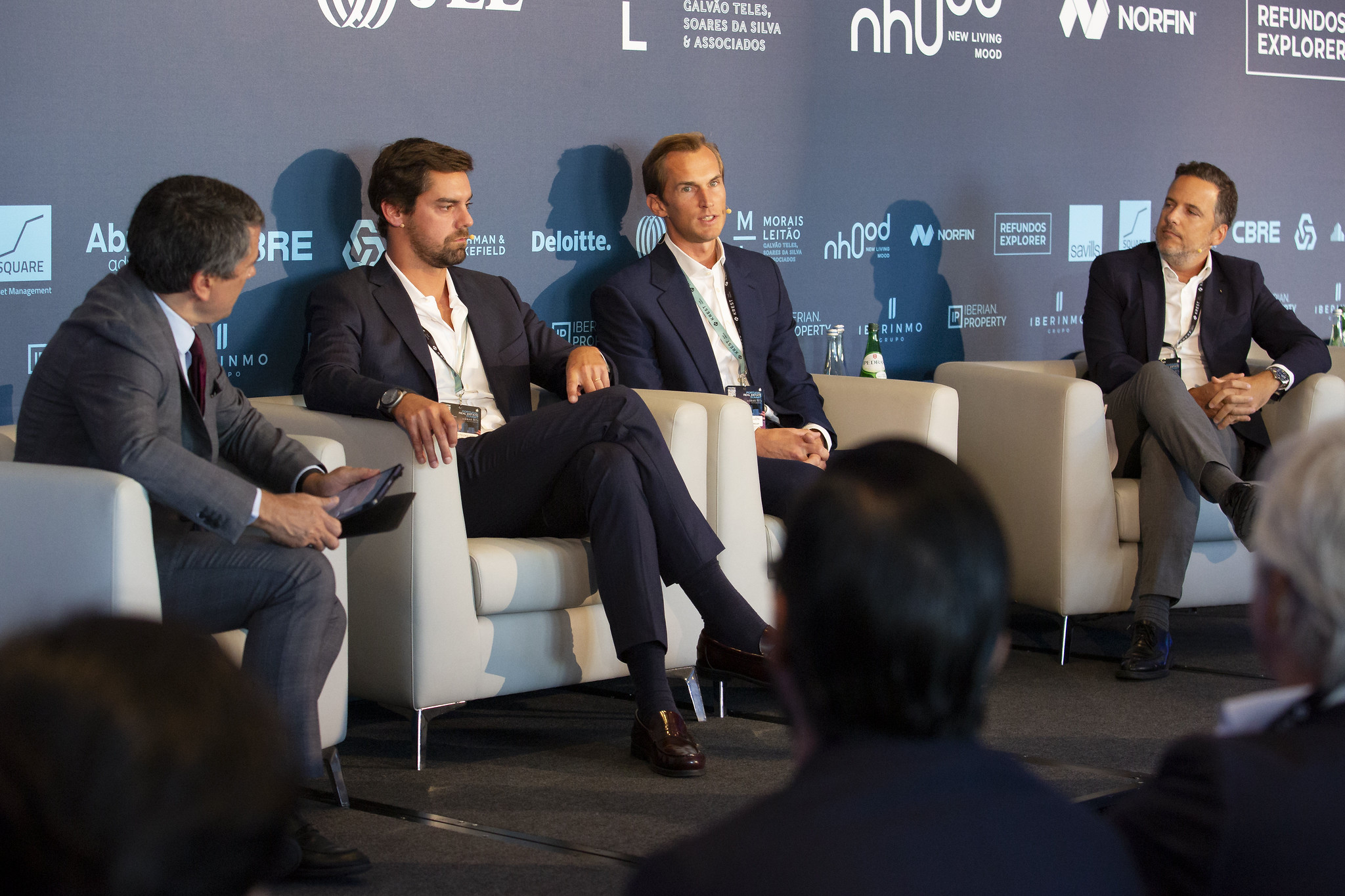
Does Blackstone see itself as validating Portugal for other investors?
Fezas Vital politely rejected the idea that Blackstone deliberately acts as a market validator (or at least of acting with that intention in mind). The firm's investment philosophy is instead centred on anticipating how people and businesses will behave in the future and identifying structural trends before they become fully priced into the market.
He pointed to logistics as one Portuguese example, where Blackstone was investing well before the sector became as institutionalised as it is today, and to data centres, where the firm began investing in the US six or seven years ago. Scale then creates another advantage: a large portfolio generates an extensive flow of operating data, which can inform investment decisions across markets.
The implication for Portugal is that Blackstone's continued presence is less a vote on the market as a whole than a consequence of specific investment theses continuing to meet its return requirements, translating in the firm remaining active for more than a decade.
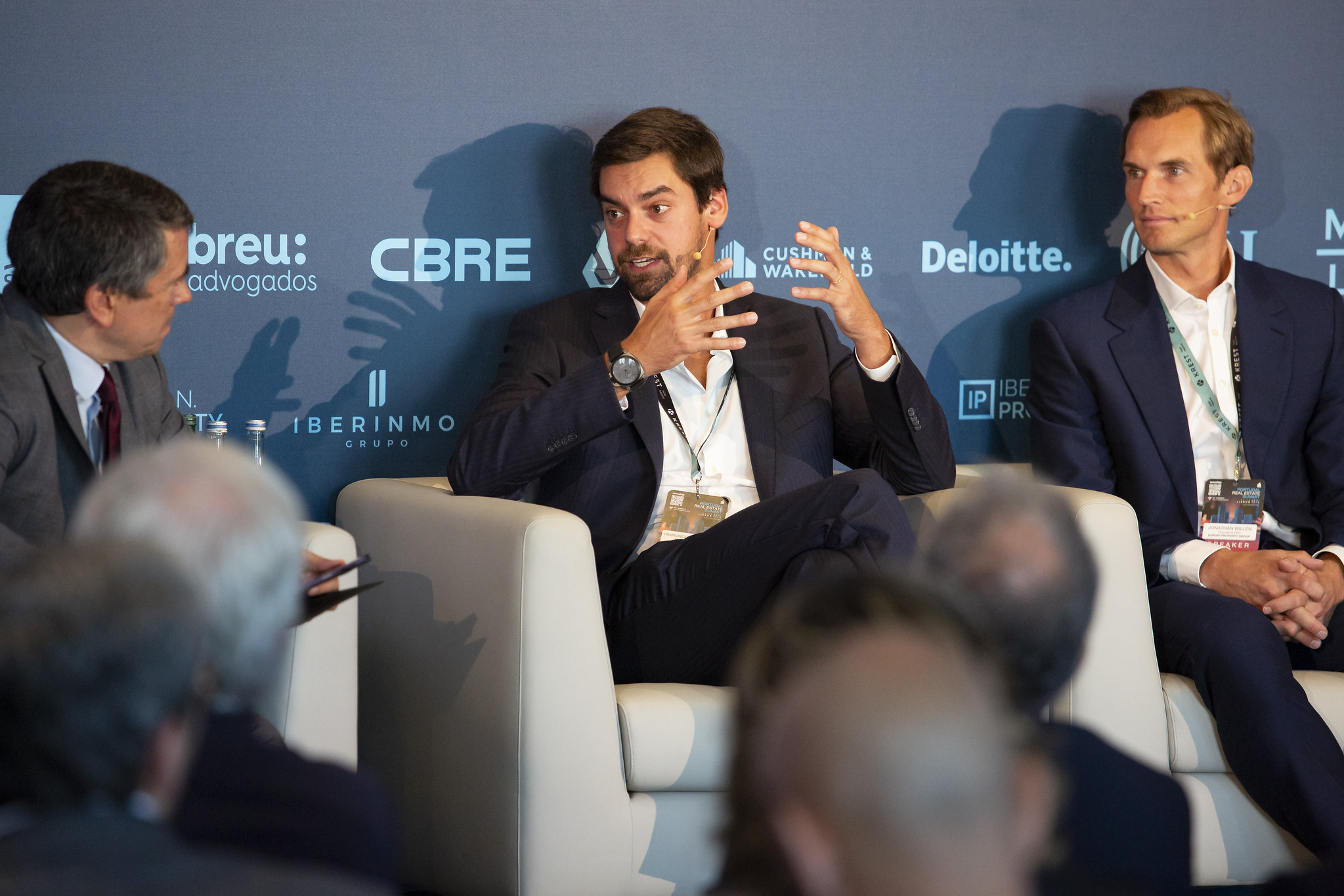
Which sectors are attracting the next round of capital?
For Blackstone, logistics remains firmly in the investment programme. The combination of low vacancy and successful execution across acquisitions, leasing and disposals has created an internal track record that supports further deployment. The strategy is not simply to accumulate assets, however: Fezas Vital stressed the importance of selling as part of the investment cycle, pointing to two logistics portfolios sold in the previous 12 months for a combined valuation of more than €150 million.
Residential is the other major area of interest. Blackstone already has substantial residential exposure elsewhere in Europe but has yet to find the right opportunity to enter the Portuguese market at scale. The firm is actively looking at build-to-sell and remains interested in build-to-rent, although the latter presents a particular underwriting challenge because there are still relatively few comparable institutional portfolio exits in Portugal.
Data centres also remain on the radar. Together, these sectors reflect a broader search for structural demand and constrained supply rather than a simple preference for traditional asset classes.
For Zurich, the threshold is considerably more structured. Sastre Cuadri described insurance capital as patient and long-term, but also highly disciplined, with three principal dimensions determining whether an investment can pass the underwriting process: income durability, liquidity, and the combination of location, asset quality and ESG credentials.
The first requires confidence that income can survive multiple economic cycles. The second is perhaps more challenging in Portugal: even a long-term investor needs to know that there will be a sufficiently deep buyer universe when an exit eventually becomes necessary. The third brings together the physical quality and location of the asset with its sustainability characteristics.
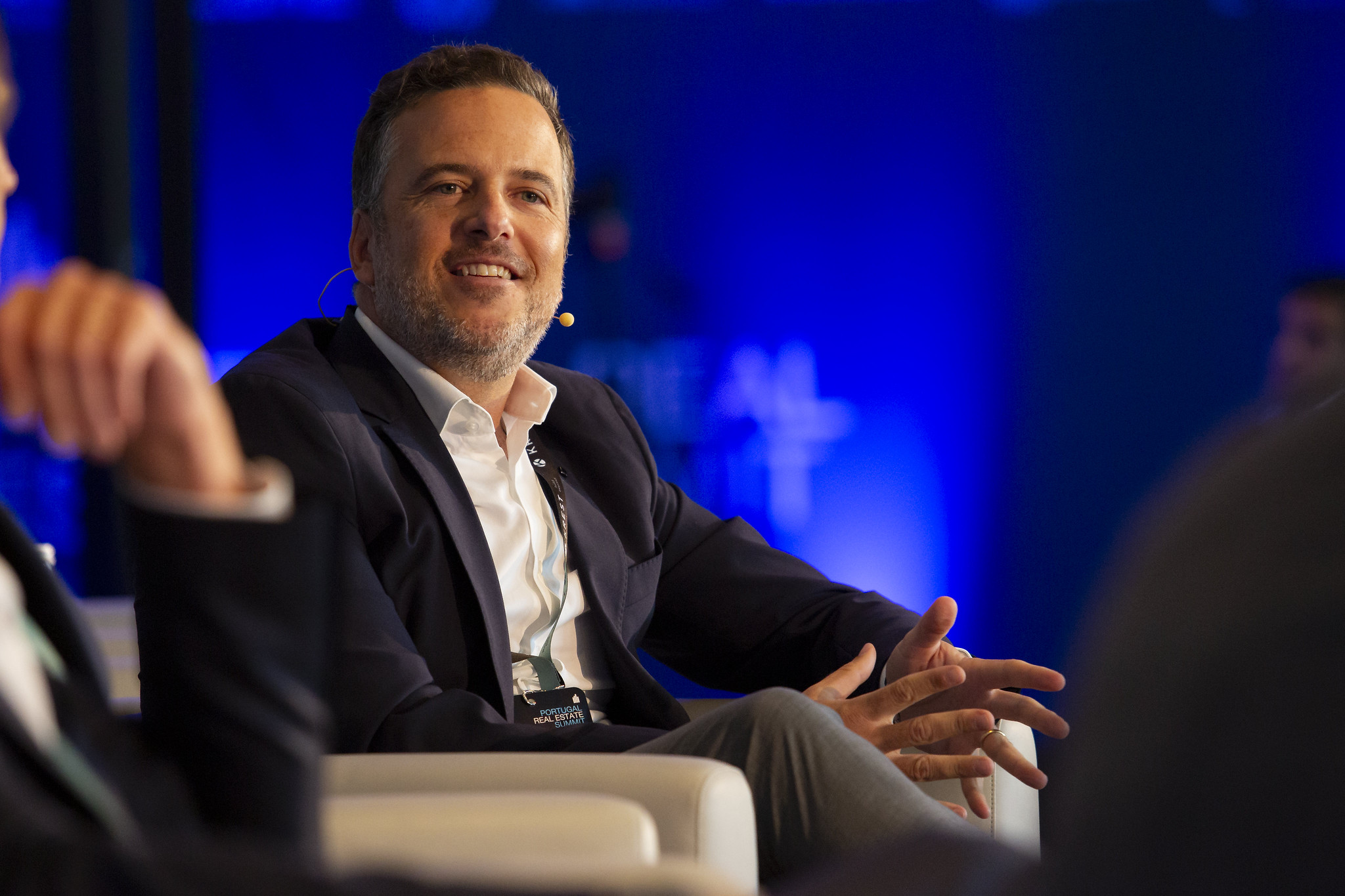
The consequence is that falling yields cannot simply be assumed as a future source of returns. With government bond yields and risk-free rates having changed the relative pricing of real estate, Zurich needs to find upside through the underlying fundamentals — particularly rental growth and reversionary income — rather than relying on future yield compression.
For Sastre Cuadri, liquidity is therefore one of Portugal's central institutional questions. The market is smaller than its European peers, there are fewer large transactions and fewer opportunities to trade Grade A assets at scale. Zurich analyses opportunities by city rather than simply by country, but the depth of the eventual buyer universe remains a fundamental part of the underwriting.
What happens inside investment committees when a Portuguese opportunity arrives?
Liquidity is again central to Blackstone's analysis. Fezas Vital acknowledged that Portugal cannot offer the same depth of liquidity as Germany, the UK, France or the US, but argued that Blackstone's own track record has helped demonstrate that institutional exits are possible.
The clearest example is the firm's acquisition of a shopping-centre portfolio in 2015, which it sold three years later for roughly €1 billion — at the time the largest transaction in the Portuguese market. More recently, the sale of two logistics portfolios for a combined value of more than €150 million provided another demonstration that assets can be exited when the investment thesis and pricing are right.
“You only provide a good service to your clients when you sell”, Fezas Vital acknowledged.
That accumulated track record matters to future investment committees because it turns liquidity from a theoretical assumption into something the firm has actually demonstrated. Fezas Vital also pointed to the wider operating environment. In his view, Portugal has benefited from relative political stability and from recent legislation supporting the residential supply side at a time when some other European markets have been moving in the opposite direction. For an institutional investor, that combination of demonstrated exits and a supportive investment environment can materially influence the willingness to continue allocating capital.
Europi's answer is closely linked to its ability to make decisions more quickly and operate at a smaller, more granular level. Willén remains particularly positive on Portuguese logistics, where the firm sees opportunities in high-quality existing assets as well as selective development. But he also highlighted the complexity of planning and regulation, noting that unexpected requirements and stakeholders can appear during the development process. That is where local partnerships become part of the investment model rather than simply a sourcing tool.
The firm's approach is often to assemble smaller transactions, create something of sufficient scale and eventually offer that platform to larger institutional investors. It has applied the model in self-storage and other residential markets, generally alongside local partners. In Portugal, this creates a potential bridge between the fragmented nature of the market and the scale requirements of larger pools of institutional capital.
What kind of residential product can institutional capital actually buy?
The appetite for residential is clear across the panel, but the route into the sector differs according to the investment mandate.
For Zurich, the long-term demand characteristics of living fit naturally with insurance capital. Sastre Cuadri sees strong potential across build-to-rent, senior housing and PBSA, but Zurich is not looking to be the first institutional investor into an emerging segment. The challenge is making the returns work once the sector becomes sufficiently established and competition for assets increases. In Iberia, the firm would also require freehold rather than leasehold structures.
Blackstone's approach is more immediate: it has significant residential exposure elsewhere in Europe and is actively searching for opportunities in Portugal, particularly in build-to-sell. Build-to-rent remains attractive, but the lack of comparable institutional portfolio transactions makes the investment committee more cautious. The firm is nevertheless encouraged by the current regulatory direction and intends to work with local partners rather than replicate a development model independently.
Fezas Vital added that Blackstone is particularly focused on the Lisbon and Porto metropolitan areas and, within those markets, on middle-income housing where rents and apartment values fall within the thresholds of current incentives. The objective is not to find a theoretical “perfect deal”, but to identify segments where structural demand, affordability and the current policy framework intersect.
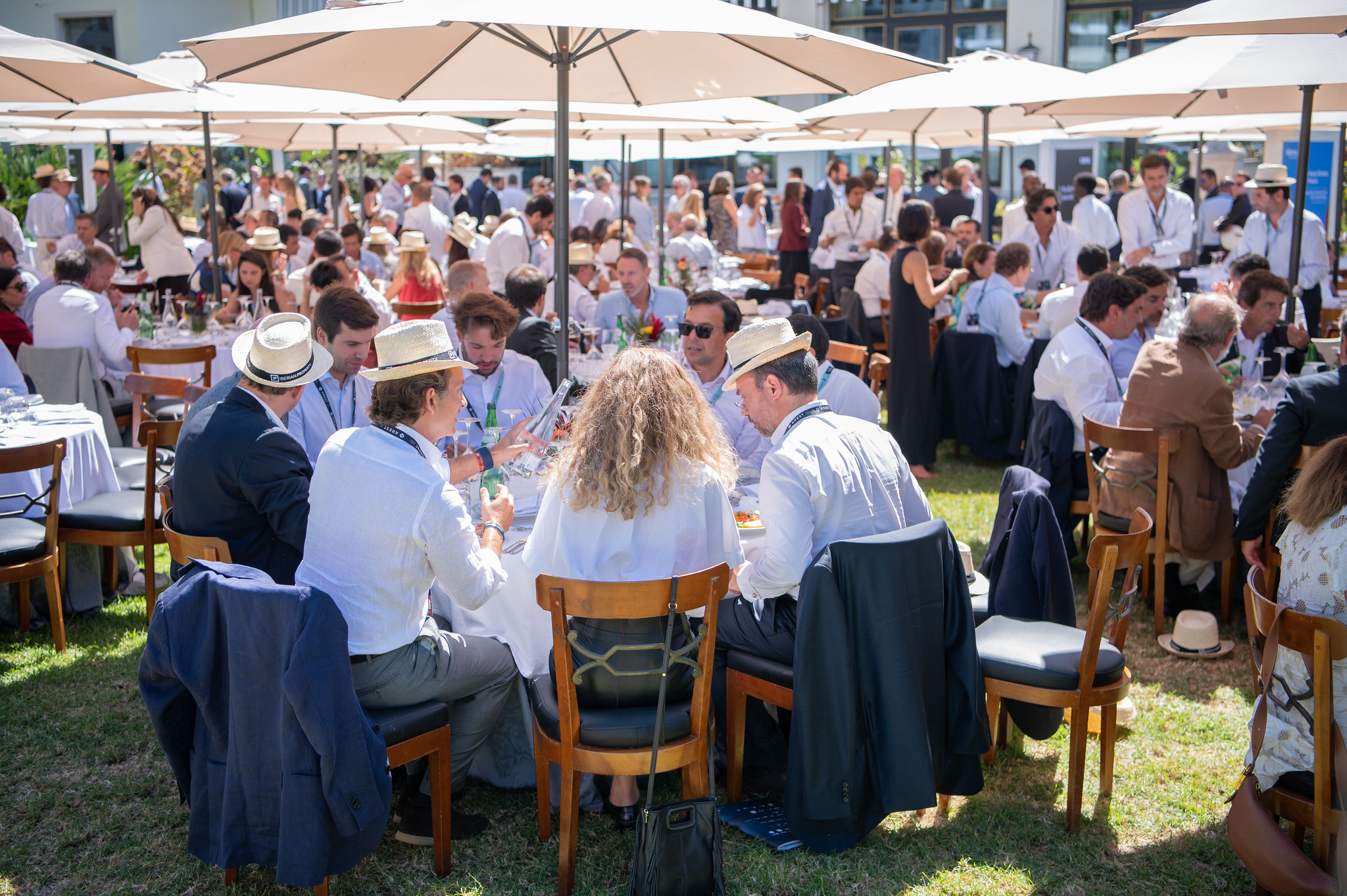
If the investment committee gave you 24 hours to buy one thing in Portugal, what would it be?
Even though not so much discussed throughout the 2-day conference, Jonathan Willén closed the panel pointing to the high-end hospitality sector, driven by a broader global willingness to spend more on experiences and Portugal's combination of climate and service culture. It is not yet a sector Europi has invested in, but precisely for that reason it represents a potential new direction rather than an extension of the firm's existing Portuguese portfolio.